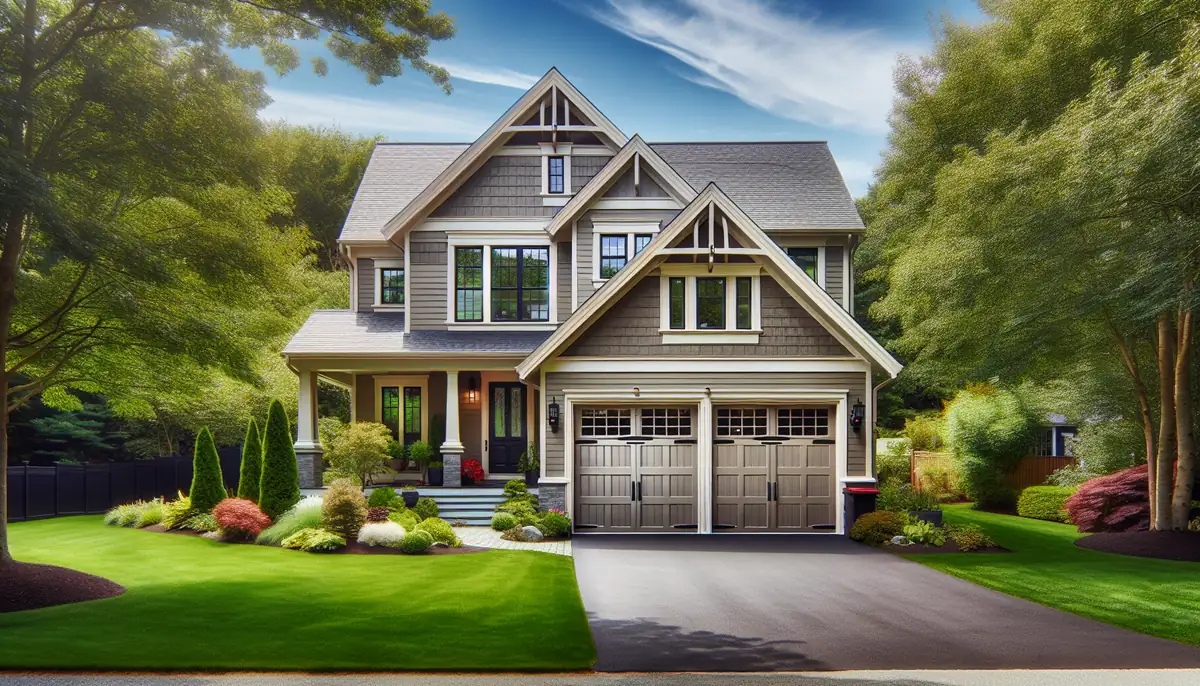
Energy Efficiency and Your Garage Door: A Guide by Klington Overhead Door

Why Energy Efficiency Matters
In today's world, energy efficiency isn't just a buzzword; it's a necessity. As homeowners in Jackson Township, NJ, strive to reduce energy costs and support environmental sustainability, understanding how energy efficiency relates to every part of your home is crucial. One often-overlooked area is the garage door. In this blog post, we will explore how your garage door can significantly impact your home’s energy efficiency and what steps you can take to maximize it.
The Garage Door’s Role in Energy Efficiency
Your garage door accounts for a substantial portion of your home's exterior. It can affect indoor temperatures, energy consumption, and even the overall comfort of your living space. Here are some key ways your garage door can influence energy efficiency:
- Insulation: A well-insulated garage door helps maintain temperatures, reducing the need for heating and cooling.
- Seal Integrity: Proper seals prevent drafts, water intrusion, and pest infestations.
- Ventilation: Good airflow in your garage can help reduce humidity and associated energy costs.
How Insulation Impacts Energy Efficiency
Insulation is one of the biggest factors in a garage door's energy efficiency. Insulated garage doors can reduce heat loss in winter and minimize heat gain in summer. According to the U.S. Department of Energy, insulated garage doors can save homeowners between 15-20% on their heating and cooling costs. Consider the following insulation options:
- Polystyrene: A dense material that offers excellent thermal resistance.
- Polyurethane: Provides higher R-values compared to polystyrene, meaning better insulation.
- Fiberglass: Lightweight and resistant to moisture, but may not provide as much thermal resistance.
Identifying Issues with Your Garage Door
Regular inspection and maintenance are key to ensuring your garage door remains energy-efficient. Look for the following signs:
- Visible gaps or cracks in the door or seals.
- Sections of the door that feel hot or cold to the touch.
- Unusual noises when operating the door, which may indicate mechanical issues.
Maintaining Your Garage Door Seals
Seals are crucial in preventing air leaks. Here are some maintenance tips:
- Inspect bottom weather seals for wear and replace if necessary.
- Check side seals for any signs of damage or gaps.
- Use caulking to fill gaps around the door frame.
Choosing the Right Garage Door for Energy Efficiency
When considering a new garage door, energy efficiency should be a top priority. Here are some factors to consider:
Material
Different materials offer varying levels of insulation:
- Steel: Durable and can be insulated.
- Wood: Offers natural insulation but may require more maintenance.
- Aluminum: Lightweight but less energy-efficient unless insulated.
Style and Design
The style of the garage door can also influence energy efficiency:
- Panel Design: Some designs come with built-in insulation.
- Color: Lighter colors reflect sunlight, which can keep your garage cooler.
Smart Garage Door Options
The evolution of technology has led to the development of smart garage doors, which offer several energy-efficient features:
- Remote Temperature Sensors: Monitor your garage temperature and adjust accordingly.
- Automated Closing: Ensure your door closes when not in use, preventing energy loss.
- Energy Monitoring: Track energy usage associated with your garage door.
Benefits of Smart Technology
Smart garage doors can help you:
- Save on energy bills.
- Enhance security.
- Increase convenience and comfort.
Investing in Garage Door Upgrades
If your current garage door is outdated or inefficient, consider investing in upgrades:
- Insulation panels can be added to existing doors.
- Seals can be upgraded for better performance.
- New weather stripping can improve energy efficiency significantly.
According to the Door & Access Systems Manufacturers Association (DASMA), a new energy-efficient garage door can yield significant savings over its lifespan, making it a wise investment.
Conclusion: Take Charge of Your Energy Efficiency
Energy efficiency and your garage door are closely linked. By making informed choices regarding insulation, maintenance, and technology, you can reduce your energy costs and enhance the comfort of your home. If you're in Jackson Township, NJ, and looking to improve your garage door's energy efficiency, contact Klington Overhead Door today! Our expert team is ready to assist you in selecting the right options for your home. Don't wait; invest in your home’s energy efficiency now!
Explore More Resources
Related Articles
Service Areas
We proudly serve Jackson Township, Harmony, Hyson, Edgewood Park, Vista Center and more areas.
Our Services
Professional garage door repair, spring repair, opener installation and more. View all services →

Mark S.
View full profile
Garage Door Installation: What to Expect with Klington Overhead Door in Jackson Township, NJ
How to Extend the Life of Your Garage Door: Tips from Klington Overhead Door in Jackson Township, NJ